


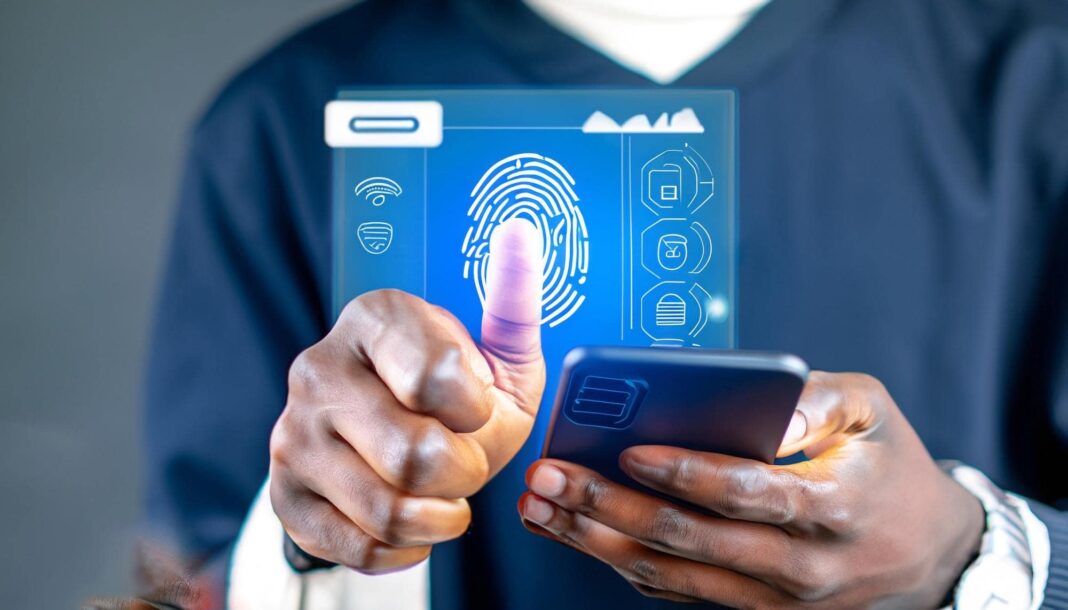
In an era of heightened cybersecurity threats, the banking industry is turning to biometric authentication as a next-generation security measure. Biometric authentication utilizes unique physical or behavioral traits of individuals to verify their identities, offering a highly secure and convenient method of access control. This article explores the integration of biometric authentication in banking systems, its benefits, and the role of next-generation technology in enhancing security measures.
- Understanding Biometric Authentication:
- Overview of biometric authentication methods, including fingerprint recognition, facial recognition, iris scanning, voice recognition, and behavioral biometrics.
- Explanation of how biometric data is captured, stored, and used for identity verification purposes.
- Comparison of biometric authentication with traditional authentication methods such as passwords and PINs.
- Advantages of Biometric Authentication in Banking:
- Enhanced Security: Biometric identifiers are unique to each individual, significantly reducing the risk of unauthorized access and identity theft.
- Convenience: Biometric authentication offers a seamless and user-friendly authentication experience, eliminating the need to remember complex passwords or carry physical tokens.
- Fraud Prevention: Biometric authentication mitigates the risk of fraudulent activities such as account takeover and phishing attacks, as biometric data cannot be easily replicated or stolen.
- Regulatory Compliance: Biometric authentication helps banks comply with regulatory requirements such as the Payment Services Directive 2 (PSD2) and the General Data Protection Regulation (GDPR) by implementing robust security measures to protect customer data.
- Implementation of Biometric Authentication in Banking:
- Integration with Mobile Banking Apps: Many banks have integrated biometric authentication into their mobile banking apps, allowing customers to access their accounts securely using fingerprint or facial recognition.
- ATM and Branch Integration: Biometric authentication is being deployed at ATMs and bank branches to enhance security during cash withdrawals, account inquiries, and other transactions.
- Multi-Factor Authentication: Biometric authentication is often used as part of a multi-factor authentication (MFA) framework, combining biometric data with other factors such as passwords or one-time codes for added security.
- Next-Generation Biometric Technologies:
- Continuous Authentication: Advancements in biometric technology enable continuous authentication, where the user’s identity is continuously verified throughout their banking session based on behavioral biometrics such as typing patterns or mouse movements.
- Biometric Fusion: Integration of multiple biometric modalities (e.g., face and voice recognition) for more robust and accurate authentication.
- Liveness Detection: Next-generation biometric systems incorporate liveness detection techniques to ensure that the biometric data being captured is from a live person and not a spoofed or replayed recording.
- Challenges and Considerations:
- Privacy Concerns: Addressing privacy concerns related to the collection, storage, and use of biometric data, and implementing stringent security measures to protect against data breaches.
- Accessibility: Ensuring that biometric authentication systems are accessible to all customers, including those with disabilities or special needs.
- Adoption and User Acceptance: Educating customers about the benefits and security features of biometric authentication to encourage widespread adoption and acceptance.
- Future Outlook:
- Evolution of Biometric Technology: Predictions for the future development of biometric authentication, including advancements in accuracy, speed, and usability.
- Integration with Emerging Technologies: Integration of biometric authentication with emerging technologies such as blockchain and artificial intelligence to further enhance security and convenience.
- Regulatory Landscape: Monitoring regulatory developments related to biometric authentication and ensuring compliance with evolving standards and guidelines.
Conclusion: Biometric authentication is transforming the landscape of banking security, offering a highly secure and convenient method of identity verification. As banks continue to leverage next-generation biometric technologies, they can enhance security measures, prevent fraud, and deliver a seamless user experience to their customers. By embracing biometric authentication, banks can stay ahead of cybersecurity threats and build trust with their customers in an increasingly digital world.