

As EV adoption accelerates worldwide, a new generation of startups is racing to solve one of the industry’s biggest challenges: smart, high-efficiency, AI-driven charging infrastructure. The future of mobility depends not only on battery innovation but also on how quickly and intelligently vehicles can be charged.
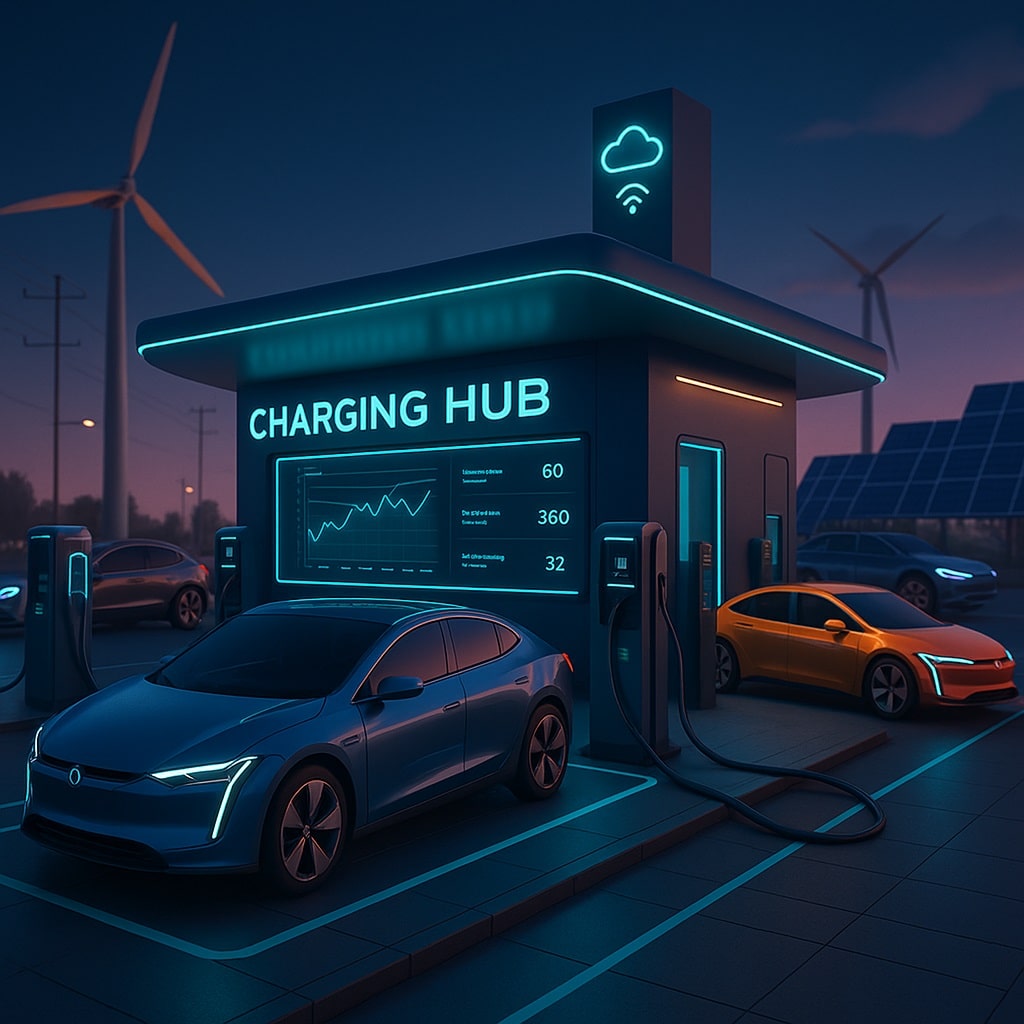
By 2026, charging hubs will become connected ecosystems — combining energy storage, renewable power, AI load management, and ultra-fast charging technologies. These startups are redefining what a charging station can be.
1. Why Smart Charging Hubs Are the Future
Traditional charging stations are limited:
-
Slow charging speeds
-
No energy optimization
-
High dependency on the grid
-
Poor user experience
-
Unpredictable load demand
Smart charging hubs solve these problems through software, sensors, AI, and energy innovation.
The future charging hub is:
- Fast
- Self-optimizing
- Grid-friendly
- Renewable-powered
- Data-driven
- Fully autonomous
These hubs will be the backbone of high-speed EV adoption.
2. The Technologies Powering Smart Charging Startups
A. AI-Driven Load Balancing
AI predicts demand, routes energy, and prevents grid overload.
B. Energy Storage + Renewable Integration
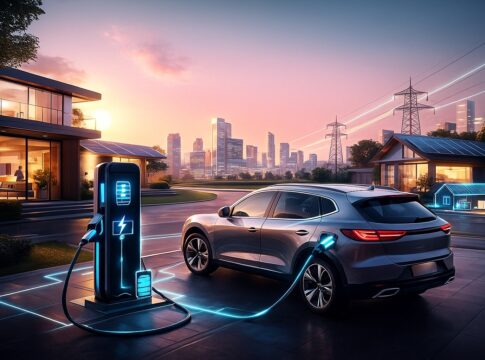
Startups combine solar, wind, and on-site battery packs to create self-sustaining hubs.
C. Ultra-Fast DC Charging (350–600 kW)
Enabled by better cooling systems and power electronics.
D. Vehicle-to-Grid (V2G) & Bi-Directional Charging
Turning EVs into mobile energy storage units.
E. Predictive Maintenance Sensors
Stations automatically detect faults before they occur.
3. The New Startup Power Players
1. [Hypothetical] ChargeCloud AI
Focus: AI-optimized charging load
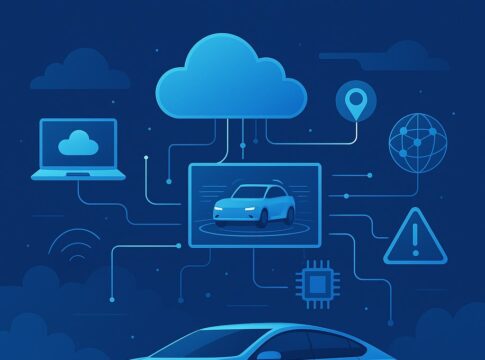
Innovation: Cloud-based algorithms that distribute power based on traffic, weather, and grid availability.
2. GridFlow Energy
Focus: Energy storage + renewables
Innovation: Solar-powered charging hubs with hybrid battery packs to store cheap off-peak energy.
3. VoltNest Mobility
Focus: Ultra-fast charging
Innovation: 500 kW chargers with liquid-cooled cables for 5-minute top-ups.
4. ChargeLoop Network
Focus: V2G
Innovation: Uses parked EVs to stabilize the local grid.
5. HyperDock Systems
Focus: Smart parking + charging
Innovation: Autonomous parking robots that align cars with charging ports.
(If you want, I can use real 2024–2026 startups from the US, EU, India, or GCC markets.)
4. Features That Make These Hubs “Smart”
✔ Automatic Power Routing
Energy flows where needed — no manual intervention.
✔ Dynamic Pricing
Cheaper during low grid demand; adjusts automatically.
✔ App-Based Reservation & Auto Docking
Drivers get guaranteed slots; no waiting lines.
✔ Real-Time Diagnostics
Stations report live capacity, uptime, and battery conditions.
✔ Integrated Retail & Workspaces
Hubs evolve into lifestyle centers: cafés, lounges, co-working.
5. How Smart Hubs Change EV Charging Forever
1. Zero Downtime
AI predicts peak loads and expands power availability.
2. Lower Grid Pressure
Thanks to energy storage + renewable microgrids.
3. Lower Charging Costs
Dynamic pricing and energy arbitrage reduce costs by 20–40%.
4. Faster Charging Speeds
Ultra-fast DC hubs become the new standard.
5. Better User Experience
Smart routing, live monitoring, and personalized suggestions via apps.
6. The Business Models Emerging
- Subscription-based charging
- Fleet charging networks
- Energy resale model
- Solar-integrated charging hubs
- Data monetization (traffic, energy, performance)
By 2026, charging startups will be valued like today’s fintech and cloud giants.
7. The Road Ahead: The Charging Hub of 2030
The future hub will offer:
- Autonomous robot chargers
- AI that predicts your arrival
- Dynamic queues
- Solar rooftops
- Battery swapping + charging hybrid systems
- EV fleet management zones
-
Microgrid independence during outages
Charging hubs will become digital energy ecosystems — not just places to plug in.
Conclusion
Startups are transforming the EV charging landscape with innovations in AI, energy storage, ultra-fast charging, and cloud connectivity. These new power players are building the smartest charging hubs the world has ever seen — and they will define how fast the world transitions to clean mobility.
Smart charging is no longer an accessory — it is the foundation of the electric future.