

The Next Evolution of EV Charging
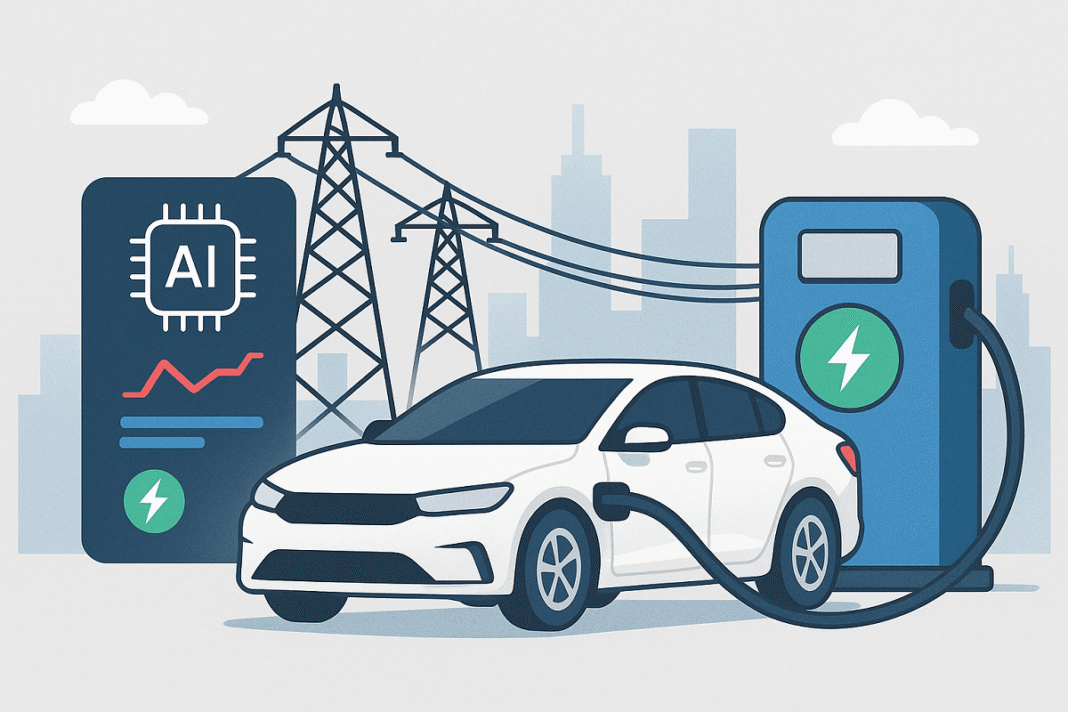
Electric mobility is accelerating faster than ever—but the real revolution is happening behind the scenes. Welcome to Charging 4.0, where AI-powered grids, real-time analytics, and intelligent load balancing transform how electric vehicles consume energy.
As countries move toward mass EV adoption, traditional grids are struggling with demand spikes, charging congestion, and energy wastage. AI changes everything—making the grid smarter, cleaner, more reliable, and far more efficient.
1. What Is Charging 4.0?
Charging 4.0 is the fourth major phase of EV charging evolution, defined by:
✓ AI-driven smart grids
✓ Predictive load management
✓ Two-way energy flow (V2G & V2H)
✓ Renewable energy integration
✓ Ultra-fast charging with intelligent throttling
It’s not just about plugging in your car—it’s about your EV becoming part of a fully coordinated digital energy ecosystem.
2. AI: The Brain Behind the New Grid
AI analyzes millions of data points per second to stabilize and optimize the grid.
AI Monitors:
-
EV charging demand across cities
-
Solar/wind energy availability
-
Grid congestion and overload points
-
Battery health and charge cycles
-
Peak vs off-peak usage patterns
AI Responds By:
-
Distributing charging loads automatically
-
Redirecting power to areas of high demand
-
Adjusting charging speeds to prevent overload
-
Predicting energy shortages before they occur
-
Lowering costs by shifting to off-peak energy
The result? Stable grids, lower bills, faster charging, and zero blackouts.
3. Ultra-Fast Chargers Get Smarter
AI-enabled DC fast chargers in 2026+ will:
✓ Detect battery temperature and optimize charge rate
Prevents overheating and extends battery life.
✓ Reduce queue times
AI predicts which chargers will free up and directs drivers accordingly.
✓ Automatically switch between power sources
Solar → Grid → Battery storage
Choosing the cheapest and cleanest available.
4. V2G: When EVs Give Power Back to the Grid
Vehicle-to-Grid (V2G) is becoming mainstream.
Your EV becomes a mini power plant, sending electricity back to the grid when needed.
Benefits:
-
Earn credits/money for supplying energy
-
Support local grid during peak hours
-
Reduce blackout chances
-
Balance renewable energy shortages
By 2030, millions of EVs globally may act as mobile energy banks.
5. AI + Renewable Energy = Clean Charging
Smart grids use AI to synchronize:
-
Solar farms
-
Wind turbines
-
Home solar rooftops
-
Battery storage systems
This ensures that EVs are charged with the greenest possible energy at any time.
6. Why Charging 4.0 Matters for EV Owners
✓ Faster charging with less battery stress
AI optimizes voltage and heat management.
✓ Cheaper charging
Smart scheduling moves charging to low-cost hours.
✓ No more “charging anxiety”
AI predicts charging availability city-wide.
✓ Better grid reliability
Reduced overload and blackout chances.
7. What This Means for the Future
Charging 4.0 will unlock:
-
Fully autonomous charging stations
-
Dynamic wireless charging highways
-
EVs that trade power autonomously
-
Cities run on decentralized microgrids
AI-powered grids will become the backbone of all EV ecosystems—making electric mobility smarter, faster, and more resilient than ever before.
Conclusion
Charging 4.0 represents a massive leap toward a future where energy is intelligent, vehicles are connected, and charging is seamless. As AI-optimized grids become the global standard, EV owners, cities, and energy providers will all benefit from a cleaner, more reliable charging experience.