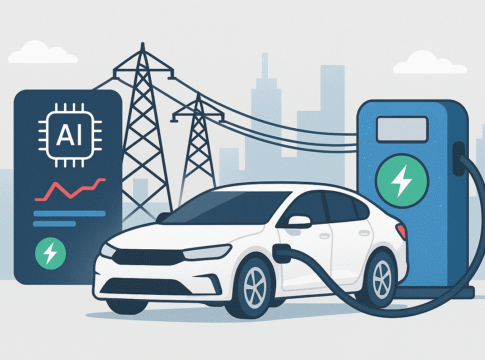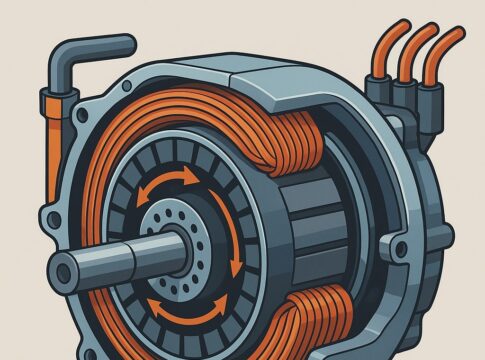


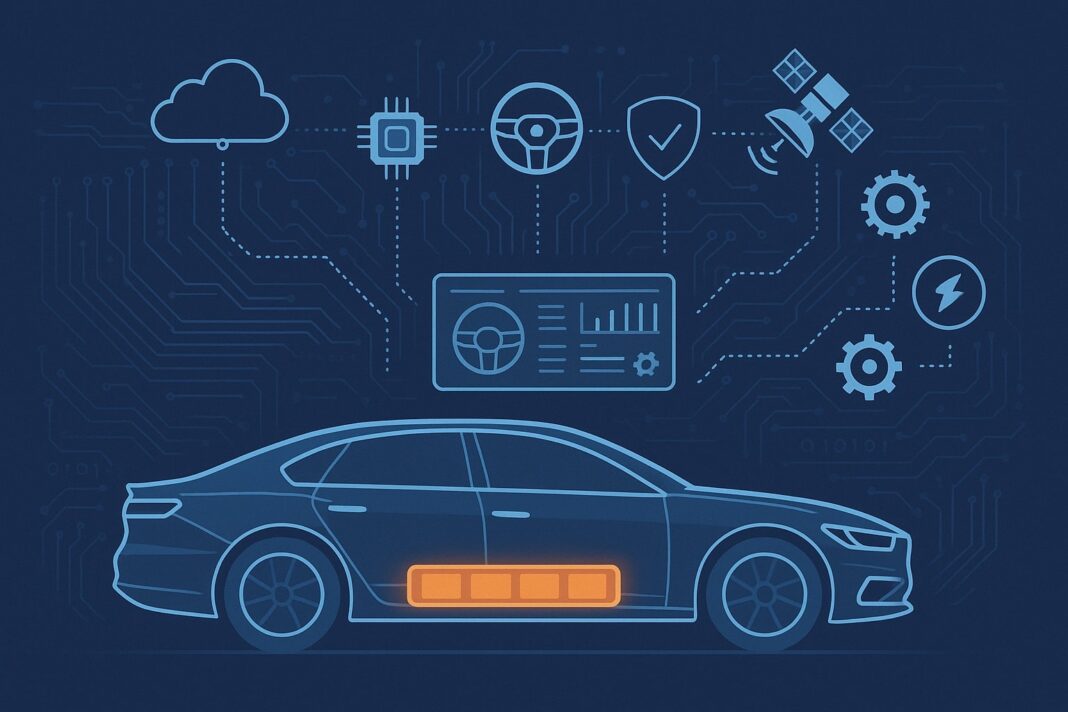
For more than 100 years, cars were defined by steel, engines, and mechanical engineering. Today, they’re being redefined by software, sensors, chips, and cloud connectivity. This new breed—called Software-Defined Vehicles (SDVs)—is transforming how automakers design, build, upgrade, and service cars.
In an SDV, the vehicle’s most valuable components are no longer physical. Instead, they’re digital:
AI systems, autonomous-driving algorithms, battery-management software, OTA updates, and predictive diagnostics.
This shift—from steel to silicon—is the biggest transformation in automotive history.
1. What Exactly Is a Software-Defined Vehicle?
A Software-Defined Vehicle is one where software controls most of the vehicle’s functions, including:
-
Powertrain management
-
Safety systems
-
Driving assistance & autonomy
-
Infotainment & user experiences
-
Energy optimization
-
Diagnostics & maintenance
In short:
Hardware becomes standardized. Software becomes the core product.
2. The Rise of Centralized Vehicle Computing
Traditional vehicles relied on 70–150 independent ECUs (Electronic Control Units). Each controlled one small function.
SDVs replace this chaos with:
-
Centralized supercomputers
-
High-speed automotive Ethernet
-
Unified operating systems
This leads to:
✓ Faster processing
✓ Easier updates
✓ Reduced wiring complexity
✓ Lower cost
✓ Better safety
Tesla pioneered it. Now Mercedes, BMW, Hyundai, and Volvo are racing to build similar architectures.
3. OTA Updates: Cars Evolve Like Smartphones
In SDVs, updates don’t require a workshop visit.
Software updates can add:
-
New driving modes
-
Faster acceleration
-
Better range optimization
-
Updated maps & ADAS features
-
Bug fixes & security patches
Cars continuously improve—even years after purchase.
This changes the automaker–customer relationship forever.
4. The EV Revolution Accelerates SDVs
Electric vehicles use fewer mechanical parts but require far more software.
EV software controls:
-
Battery thermal management
-
Charging/fast-charging behavior
-
Energy recuperation
-
Motor torque distribution
-
Safety cutoffs
-
AI-based efficiency algorithms
As EV adoption grows, SDV architecture becomes essential for performance and safety.
5. AI: The New Engine of Automakers
In the SDV era, AI is the core driver of competitive advantage.
AI enables:
-
Autonomous driving
-
Real-time driver monitoring
-
Predictive maintenance
-
Smart navigation (traffic/charging aware)
-
Energy optimization
-
Personalized driving profiles
Automakers are now hiring more software engineers than mechanical engineers.
6. Automakers Are Becoming Tech Companies
SDVs force traditional automakers to rethink their business model.
They are now focusing on:
-
In-house operating systems
-
Custom silicon chips
-
Data analytics platforms
-
Software subscriptions
-
Cloud infrastructure
Revenue Shifts:
Old revenue → Selling cars
New revenue → Selling software, data, and services
A single car may generate revenue for 10+ years through:
-
Premium connectivity
-
Autonomous upgrades
-
In-car apps
-
Performance unlocks
7. Challenges Automakers Face
The transformation isn’t easy.
A. Legacy architecture slow-down
Old cars were never designed for software-first integration.
B. Cybersecurity demands
Cars are now data systems on wheels—making them targets.
C. Talent shortage
Automakers need thousands of software developers, AI engineers, and cloud architects.
D. Chip dependency
Shortages show how critical silicon has become.
8. The Future: Cars That Improve Themselves
In the next five years, SDVs will bring:
-
Full self-driving capability in select regions
-
Vehicles that heal themselves using predictive maintenance
-
Personalized cabin environments based on biometrics
-
V2X (Vehicle-to-Everything) smart-city integration
-
Cars designed with software-first, hardware-second philosophy
The automobile will become a rolling computer powered by cloud intelligence.
Conclusion
The shift from “steel to silicon” is not a trend—it is a complete reinvention of automaking. Software-Defined Vehicles transform cars from fixed mechanical machines into evolving digital platforms. As automakers embrace this new era, the winners will be those who master AI, chips, data, and software ecosystems.
The future belongs to automakers who think like technology companies.